
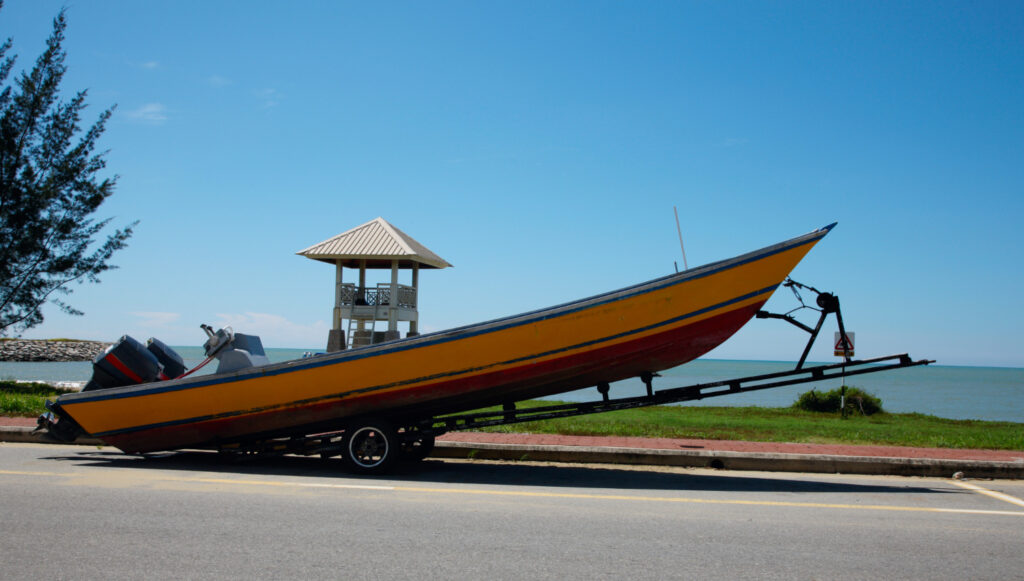
Owning a boat trailer brings the freedom to hit the water whenever you’re ready to tow. But that freedom can disappear quickly when a title problem gets in the way. Whether you’re trying to sell, gift, or transport your trailer across state lines, the paperwork has to be in order. Boat trailer titles follow the same rules as other vehicles, and missing steps or documents can stop your plans short.
Title issues are more common than you might think. You might have bought a secondhand trailer and never received the proper title. Maybe you misplaced the document when you moved. In some cases, the trailer was never titled the right way in the first place. Sorting it out now saves trouble later with registration, insurance, or legal transfers. Making sure everything is updated and legal also makes life easier when it’s time to take your boat out or make a sale.
Identifying Common Title Issues With Boat Trailers
There are plenty of ways a trailer title can cause problems. Some are easy to fix while others take a little more work. Here are some common reasons Maryland trailer owners run into trouble:
– Missed title transfer: One of the biggest issues happens when a buyer gets the trailer, but the seller never transfers the title over. Months or years later, it’s hard to prove legal ownership. The MVA won’t let you register a trailer that doesn’t match your name on the title.
– Incorrect or missing information: If the Vehicle Identification Number (VIN) has a typo or a name is misspelled, it can lead to delays or rejections. Even small errors can flag your application, especially if required fields are blank.
– Lost or damaged titles: If you lost your title or it’s too damaged to read, you’ll need to apply for a duplicate. This is required to make any legal updates or transfers. Without an official copy, the process stalls before it even begins.
Sometimes these problems stay hidden until the moment you really need that title. You might have left your trailer untouched in the backyard for years. Then when someone shows interest in buying it, you go looking for the title and realize it was never properly transferred or it’s nowhere to be found.
These problems won’t go away on their own. Getting ahead of them now means fewer surprises later, whether you’re ready to sell or just need to register everything in your name.
Step-By-Step Guide To Resolving Title Problems
Once you figure out what the issue is, the next move is getting it fixed. Every problem has its process, and knowing the right steps saves you time, money, and a return trip.
1. To correct information on your title:
– Use the correction forms based on what the mistake is.
– Bring anything that supports the correction. This could be a government ID to verify the spelling of your name or a manufacturer document to confirm the correct VIN.
– Submit the original title along with the corrected form. You’ll want to make sure everything is clear and free of marks or white-out so there are no processing delays.
2. To get a duplicate title:
– Fill out the state’s replacement title form with your contact info and trailer’s VIN.
– Bring your valid government-issued ID so ownership can be confirmed.
– Pay the duplicate title fee. Depending on availability, your new title may be mailed to you or processed the same day.
3. For title transfers from a sale or purchase:
– Complete a bill of sale that includes the trailer’s VIN, sale date, price, and both parties’ names and signatures.
– Get the current title signed over by the seller with all fields filled out correctly.
– Provide a lien release if there was ever a loan on the trailer.
– Bring your ID and fill out the title application to officially transfer ownership into your name.
Following each step the right way helps keep the paperwork journey smooth. Whether repairing a mistake, replacing a soaked document, or handling a private trailer sale, getting everything in order now avoids future headaches.
Required Documents and Forms for Boat Trailer Title Resolutions
Having the right documents can make the whole title update process easier. Each type of issue needs specific paperwork, and missing even one form could lead to delays at the counter or a rejected application.
Here’s what you’ll usually need when fixing trailer title issues in Maryland:
– Current or damaged title (if available): Even damaged titles can help speed things up, so bring it if you have it.
– Bill of Sale: Required for transfers and must include sale date, trailer VIN, price, and both parties’ info and signatures.
– Valid government-issued ID: To show you’re either the current owner or legally allowed to act on their behalf.
– Lien release document (if it applies): Proof that a loan has been paid off, clearing any outside claims on the trailer.
– Application for Certificate of Title (Form VR-005): Used for all changes, including corrections, transfers, and replacements.
– Odometer Reading Disclosure: Needed in some cases, especially if the trailer is motorized or there’s a question about usage.
– Power of Attorney: If you’re filing paperwork for someone else, bring the signed original.
In special cases like inheriting a trailer, buying it from another state, or dealing with an abandoned unit, other forms could be required. These might include a death certificate, court-issued authorization, or a completed VIN inspection. Bring more than you think you’ll need to avoid having to come back later.
Before turning in your forms, make sure everything is signed, easy to read, and matches across all documents. Many title problems happen because of small paperwork mistakes that could’ve been caught with a quick double-check.
Preventing Future Boat Trailer Title Problems
Once you fix your current title situation, taking small steps now can save you from running into the same problem again. Keeping things clean and up to date helps make sure your trailer is always ready when you need it.
Here are a few good habits we recommend:
– Store the title in a safe, dry spot where it won’t get bent, lost, or damaged.
– Transfer the title right away after any trailer sale or gift so everything updates while the deal is still fresh.
– Keep copies of your key documents, especially if you’ll be mailing originals or handing them to someone else.
– When you get a new or corrected title, check it for errors right away. Names, VINs, and trailer details should all be accurate.
– Make a paper folder just for trailer paperwork. Keeping everything like service records, sales receipts, and old titles in one place helps whenever you need proof of ownership.
Overlooking tiny details now can lead to bigger stress later. Staying organized and on top of documents makes your boat trailer easier to sell, renew, and register down the road.
Making Life Easier With a Clean Title
Fixing trailer title issues might not be the most thrilling task on the to-do list, but it can save you a world of hassle. Whether your trailer was never transferred correctly, the title was misplaced, or there’s an error that needs updating, getting things sorted now gives you peace of mind.
Being ahead of the paperwork helps you avoid delays with future sales, registration renewals, or towing requirements. It also keeps things clear if you’re pulled over, filing an insurance claim, or applying for permits. A title that matches your name with no loose ends means your boat trailer is officially good to go.
If all of this sounds like a lot to juggle, you’re not alone. Titles can be tricky, and they’re not something most people deal with every day. The good news is there are professionals who do handle this every single day—and they know how to get it done right.
Why let title troubles keep your boat trailer at bay? Whether you’re sorting out a missing document or tackling a transfer glitch, making sure everything’s in order will keep your trailer ready for adventure. If you need expert help with your boat trailer title in Maryland, Xpress Tags-N-Titles is ready to make the process quick and stress-free. Reach out to our team today to get started.