
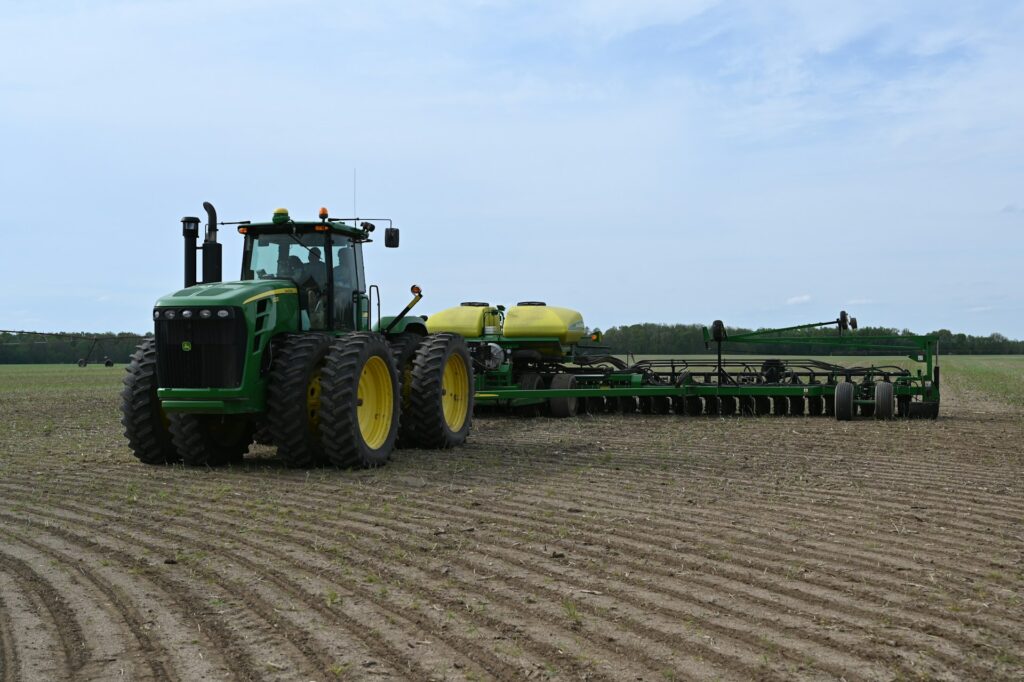
If you’re working with farm equipment in Maryland, there’s a good chance you’ll need to deal with the title at some point, whether you’re buying a machine, inheriting one, or registering a tool that was never titled before. It might not seem like a big deal, but getting the title right matters. Without a proper title, you could hit roadblocks when it’s time to sell, register, or insure the equipment. A clean title clears up ownership questions, helps keep your records straight, and protects your investment.
Farm equipment might not be on the road as often as your truck, but that doesn’t mean it skips the paperwork. Maryland has specific rules for agriculture equipment title transfers, and keeping up with those details saves you from stress later. Whether it’s a combine, tractor, or backhoe you only use part of the year, handling the paperwork early makes things easier when it’s time to move, repair, or replace it.
Understanding Title Transfer Requirements For Farm Equipment In Maryland
Farm equipment includes a wide range of machines used for agriculture, and knowing what fits the category is key. This usually means tractors, harvesters, planters, tillers, and other machinery used to plant, grow, and harvest crops or take care of livestock.
While not every piece of farm equipment needs a title, certain ones do, depending on their size, how they’re used, and whether they operate on public roads. Equipment purchased recently, or sold between private parties, often needs a title transfer if it’s used on roads or has been registered before. If the equipment was bought through financing or leasing, it likely has a title attached to it, and that title needs to be updated before the new owner can use it legally.
Here’s what you’ll need to transfer the title for qualifying agriculture equipment in Maryland:
– The current title, completed and signed over by the seller
– State-issued photo identification for the new owner
– Completed Application for Certificate of Title (Form VR-005)
– Signed bill of sale
– Odometer disclosure statement if required
– Lien release if a loan was previously attached
In some situations, you might also need proof of insurance, especially if the equipment is going to be used on public roads. While not all farm machines require coverage, it’s better to be prepared than find out later something’s missing.
It’s common for farmers to inherit or trade equipment, and even in those cases, the title needs to reflect the new owner. Whether you’re receiving equipment from a relative, business partner, or through an estate distribution, the documents need to be in your name. Having a clean title makes future transactions and maintenance records much easier.
Pulling all of this together before you go in helps prevent headaches. Missing titles or incomplete forms can delay the process, and redoing paperwork is never fun. Going in with everything in order helps the title move to your name without delay.
Steps To Transfer An Agriculture Equipment Title In Maryland
Once you have the documents ready, handing off or receiving a title is a lot smoother. The key is being prepared and making sure everything matches. Here’s how the process usually goes step by step:
1. Fill out the title with the seller. This means signing on the correct lines and writing down key information like the sale price and date.
2. Complete the title application. Form VR-005 must be filled out completely. If a section doesn’t apply, write “N/A” so it doesn’t raise a red flag.
3. Submit the bill of sale. This confirms the equipment was sold and outlines the terms. If the equipment was given or inherited, an affidavit may be needed instead.
4. Bring your ID and supporting paperwork. This includes lien releases, insurance proof if necessary, and any special forms for inherited or business-owned equipment.
5. Pay the fees. Fees vary based on factors like size, value, and use of the equipment. Oversized or specialty-use machines might come with slightly different charges.
Farm equipment is often used for decades. Just because it’s old doesn’t mean it skips the paperwork. A transfer is still needed if the machine has changed hands. Whether you’re dealing with a combine from 30 years ago or a practically-new tiller, the title still needs to show the current owner.
Before you submit everything, take a minute to check for matching names and clear, legible writing. Typos, smudges, or missing sections on the forms are a fast way to stall your progress and force another visit.
Common Challenges And How To Overcome Them
Although the process is fairly simple when you know what to bring, things can still go sideways. Here are some common issues and how to work around them.
– Missing or unsigned titles. If the seller didn’t finish their section or forgot to sign altogether, the process stops until you track them down.
– Mismatched names. If the selling party isn’t the person listed on the title or is using a company name, you may need to provide proof that they have authority to transfer ownership.
– Lost titles. If no title can be produced and no prior transfer is recorded, a duplicate must be ordered before you can move forward.
– Lien issues. If the equipment was financed, the lien must be clearly released. If it’s unclear or missing, the transfer will likely be denied.
– Poor document condition. Smears, white-out, scribbles, or crossed-out fields often result in the documents being rejected.
You can avoid most of these problems by following a few simple tips:
– Ask to see the title before agreeing to anything.
– Complete the title and bill of sale together in person if possible.
– Keep copies of all documents in case anything gets misplaced.
– If you’re unsure, bring your paperwork to a professional who knows what to look for.
Whether it’s a large harvester or a small utility trailer, Maryland treats titled agriculture equipment like any other vehicle. That means the state expects correct names and signatures across all paperwork.
Benefits Of Using A Licensed Partner For Title Transfers
Taking care of equipment titles might not be your top priority until it slows down your work. If the job depends on having machines ready to go, then delays in paperwork can hurt your day. That’s where using a licensed title service can make a big difference.
Here’s why working with a professional can help:
– Fast service without sitting in long lines
– Clear guidance from someone who does this every day
– Same-day processing on many transfers
– Less room for mistakes that cause delays
– Support from folks who understand farm equipment laws in Maryland
If your equipment is jointly owned, company-owned, or used only during certain seasons, a licensed partner can help you figure out what steps to take and what special documents you may need. The staff at Xpress Tags-N-Titles is trained to handle those uncommon situations so you don’t have to figure everything out on your own.
Keep Your Equipment Moving Without the Paperwork Headaches
Staying on top of titles might not be exciting, but it’s something every owner should take care of sooner rather than later. Whether the equipment is part of a commercial farm or a smaller operation, having the correct title helps you avoid surprises down the road.
When it’s time to sell, move to a new property, or make repairs, a clean title means no extra steps or confusion. It also protects you from ownership disputes and makes sure you’re following the law.
If you’ve got agriculture equipment that needs a title transfer in Maryland, the steps don’t have to be hard. Get your papers in order, double-check the details, and connect with experienced help to get it done right. Clean titles, clear ownership, and less stress mean you can get back to focusing on the land and what matters most.
If you’re dealing with paperwork delays or title confusion, getting your agriculture equipment title in Maryland sorted out the right way can save time and headaches. At Xpress Tags-N-Titles, we’re here to guide you through every step so your equipment stays where it belongs—on the job, not parked over paperwork issues.